
Vinyl records became popular in the 1940s, and their development has played an important role in the growth of music throughout history. In recent years, they have made a significant comeback with music lovers rediscovering the unique experience that comes with listening to a vinyl record. A vinyl record is an analogue sound storage medium, which is a flat disc made of a compound containing polyvinyl chloride (PVC). The disc then has a spiral groove pressed into its surface, which contains the audio. In order to hear the audio from the record, the disc must be placed onto a turntable and a playing stylus attached to the tone arm is placed in the groove of the disc. The record player then rotates the disc at a constant speed, and the stylus needle is made to vibrate by micro undulations along the groove of the record. A transducer converts these vibrations into electric impulses which are amplified and sent to speakers or headphones which allows the listener to hear the recorded sound.
Though they’re almost a century old, vinyl records stand as one of the most enduring and cherished forms of music playback and play an integral role in decades of musical evolution. Despite us being fully ensconced in the digital era, vinyl records have experienced a remarkable resurgence of late. A growing community of enthusiasts — from Gen Z to those who remember the advent of cassettes — prize vinyl records for their nostalgic feel and authenticity.
In an age of instant digital access, the comeback of vinyl records is all about having a tangible collection of music that you can actually own, not just stream. In this blog, we’ll be taking a look at what exactly vinyl records are and how they produce music, to better appreciate the appeal of this beloved format.
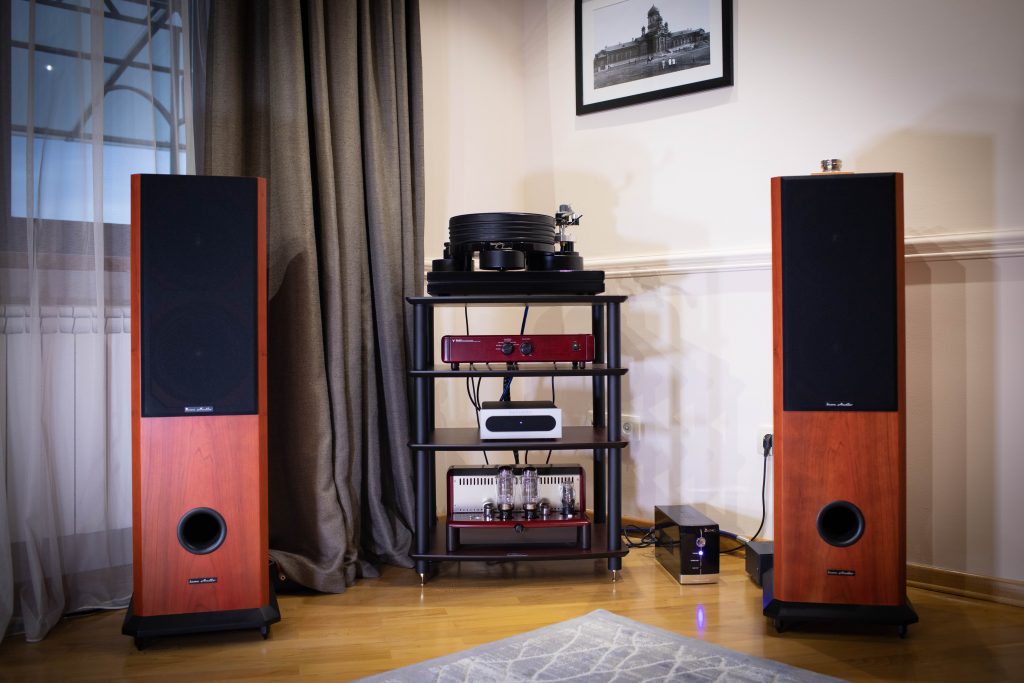
Vinyl records are made through a step-by-step process which seems almost like magic — but is actually quite straightforward. Let’s break it down.
Recording: Musicians perform in a recording studio, and the sound waves, which are the vibrations in the air caused by the sound that allows us to hear it, are captured digitally in the studio.
Mastering: The electrical signals are used to create a master recording. This master is like a template for making copies. They used to be in the form of 1/4” tape, but nowadays they are typically high-quality digital audio files.
Pressing: The electric signals of the master are fed into a cutting lathe to create a mold, almost like a stamp. This is typically a lacquer-covered aluminum disc carved using a diamond-tipped needle. Once you have this physical template, it can be used to create individual vinyl records. Vinyl pellets are melted, and the mold presses the grooves onto the surface of the vinyl disc. The grooves represent the variations in the music — changes in volume, pitch, and tone. Essentially, the grooves are a physical representation of the sound waves of the music — ie. what they look like as they move through the air.
Playback: When you play a vinyl record, you place it on a turntable. The turntable spins the disc, and a needle on an arm tipped with either sapphire or diamond is laid onto the record and traces across the grooves. As the needle moves along the grooves, it vibrates back and forth.
Transduction: The vibrating needle is attached to a cartridge that transforms the physical movements of the grooves into electrical signals like the ones originally created by the musicians in the studio.
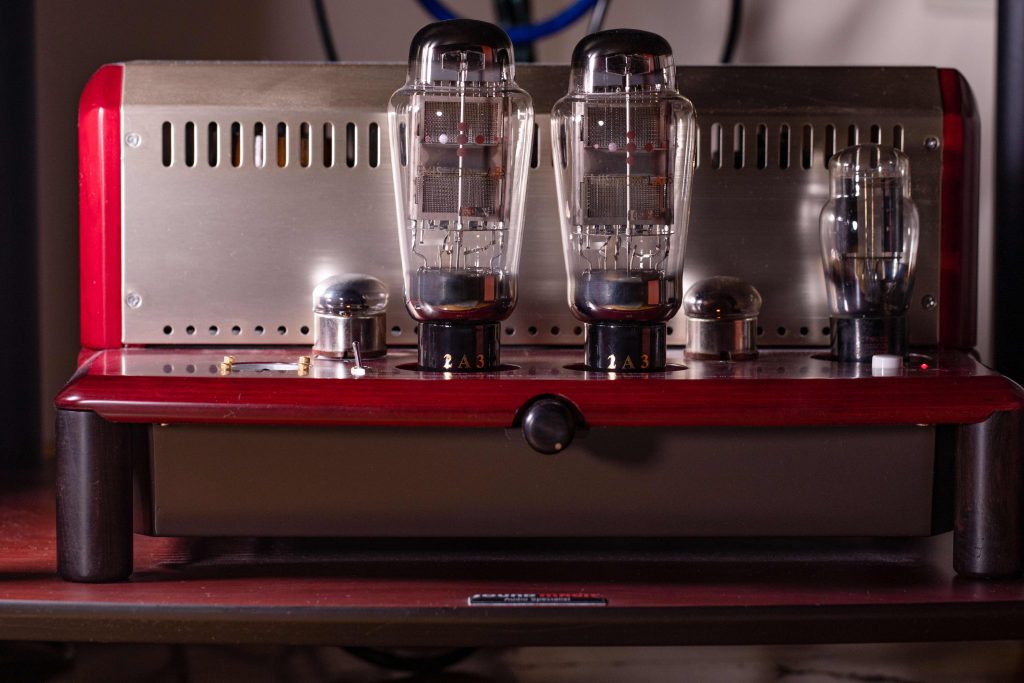
Amplification: These electrical signals are sent through the amplifier of the record player. The amplifier increases the strength of the signals.
Sound Production: The amplified signals are then sent to the speakers. The speakers convert the electrical signals back into sound waves, reproducing the original recorded music. In a nutshell, vinyl records capture the music in grooves, and a record player reads those grooves to bring the music back to life.